God's Message
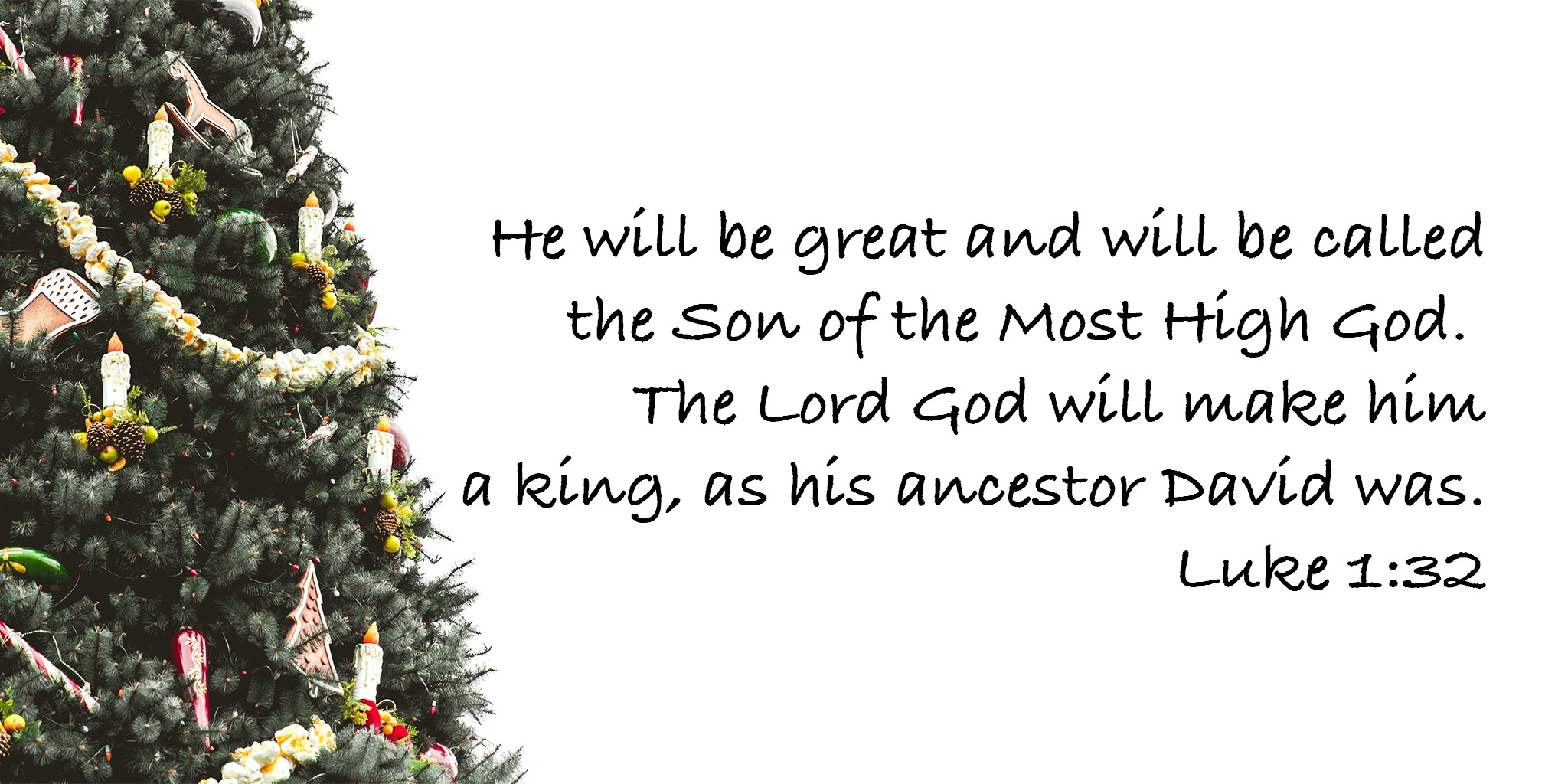
Luke 1:32
When we think about Christmas, we often picture the things we do—decorating trees, wrapping presents, eating way too much food—but have you ever stopped to consider how God does Christmas? Spoiler alert: He doesn't mess around with tinsel and fairy lights; instead, He sends His own Son into the world as a helpless baby, which is either the most humble entrance imaginable or the ultimate plot twist in human history. When the angel tells Mary that her child 'will be great and will be called the Son of the Most High,' what does it mean for us that God's idea of greatness looks so radically different from our own?
The Christmas message from God is he's dependable. He'll keep his promises.
What is the true message God wants us to understand through Christmas? This Bible study explores the profound truths revealed through the birth of Christ, moving beyond the cultural trappings of the season to discover God’s eternal promises. Through examining the nativity story and its fulfillment of Old Testament prophecy, we’ll uncover how Christmas demonstrates God’s dependable character, His boundless love, and His gracious gift of salvation—themes that remain relevant not just during the holiday season, but every day of our lives.
In those days a decree went out from Caesar Augustus that all the world should be registered. Luke 2:1
God is dependable. He makes these promises and he fulfills these promises. He is dependable because it's impossible for God not to keep a promise.
- Christmas has become commercialized and misunderstood by many, with focus on Santa Claus, parties, and decorations rather than the birth of Jesus Christ
- The birth of Christ in Bethlehem fulfilled Old Testament prophecy, demonstrating that God is dependable and always keeps His promises
- God’s love is demonstrated through sending His Son to be born as a human, which was necessary for Him to die on the cross as our substitute
- Christ had to be 100% human to bear our sins and 100% God to be the perfect, sinless sacrifice
- God’s grace is shown in paying the price for our sins that we could not pay ourselves
- The promise “whosoever shall call upon the name of the Lord shall be saved” extends to everyone who believes and trusts in Christ
- The plan of salvation was conceived before creation, not as an afterthought
- Death in biblical terms means broken relationship with God, not ceasing to exist
- Those who receive Christ are given eternal life—not just future salvation but present reality
He will be great and will be called the Son of the Most High. And the Lord God will give to him the throne of his father David, Luke 1:32
The Christmas message from God is he's dependable. He'll keep his promises. And he will keep what he has promised in love, that whosoever will call on the name of his Son will be saved.
This study centers on Jesus as the ultimate demonstration of God’s faithfulness and love. The speaker reminds us that while we may enjoy the festivities and decorations, the real celebration is about Jesus being born so He could later die on the cross for our sins. What strikes me most is the emphasis that Jesus had to be fully human to be our substitute—He couldn’t have died for us if He hadn’t first been born in that stable in Bethlehem. The Christmas message isn’t just sentimental; it’s the beginning of God’s rescue mission for humanity. Jesus came to restore our broken relationship with God, offering us eternal life through His sacrifice. Pretty amazing when you think about it—God loved us so much that He sent His Son, knowing full well what it would cost. That’s the heart of Christmas, and honestly, that’s worth celebrating every single day.
- Luke 1:32
- Luke 2
- Genesis 3:15
- Micah 5:2
- Isaiah 7
- Isaiah 9
- 1 John
- Psalm 22
- Psalm 53
- Romans 6:23
- Deuteronomy 33:27
Bible References
Study Details
God's Message within the series God Does Christmas.
Given by G. Stoves, on 2025-12-16.
God Does Christmas
When we think about Christmas, we often picture the things we do—decorating trees, wrapping presents, eating way too much food, and generally working ourselves into a festive frenzy—but have you ever stopped to consider how God does Christmas? God's Christmas celebration seems to revolve around one central theme—redemption, hope, and a baby who changes everything.
Online GOI Bible Studies
GOI online bible studies are a free way of learning more about the good news of the gospel of Jesus Christ. Come and ask questions and discuss how the life of Jesus changes everything.
Psalm 118
In this particular psalm we come across one of these remarkable and most interesting verses where we discover the wonder of prophecy Psalm 118:22-23. This is taken up by the...
The second vision of Zechariah
Through Zechariah 1:18-21 we have recorded the vision of the four horns and the four craftsmen
In this his second vision, the prophet sees first four horns. Now throughout the...
Online GOI Bible Studies
Contact us now for details of online bible studies this week.