Conflict
Genesis 13-14:
Abram and his nephew Lot part ways due to conflict, leading Abram to a miraculous rescue of Lot and his family. The mysterious figure of Melchizedek, who blesses Abram, foreshadows the priesthood of Jesus, our great high priest who provides us with a permanent blessing and peace with God.
The Christian is often the only book non-Christians will ever read.
What does it take to restore fellowship with God after we’ve wandered from His path? This Bible study on Genesis 13 and 14 explores the journey of Abram as he returns from Egypt to the place where he first called upon the name of the Lord. Through examining themes of repentance, conflict resolution, humility, and God’s faithfulness, we discover timeless principles for maintaining our walk with God and witnessing effectively to others. As we trace Abram’s steps back to Bethel and follow him through family disputes and battles, we encounter profound lessons about spiritual restoration and the persistent love of God who confirms His promises to those who seek Him.
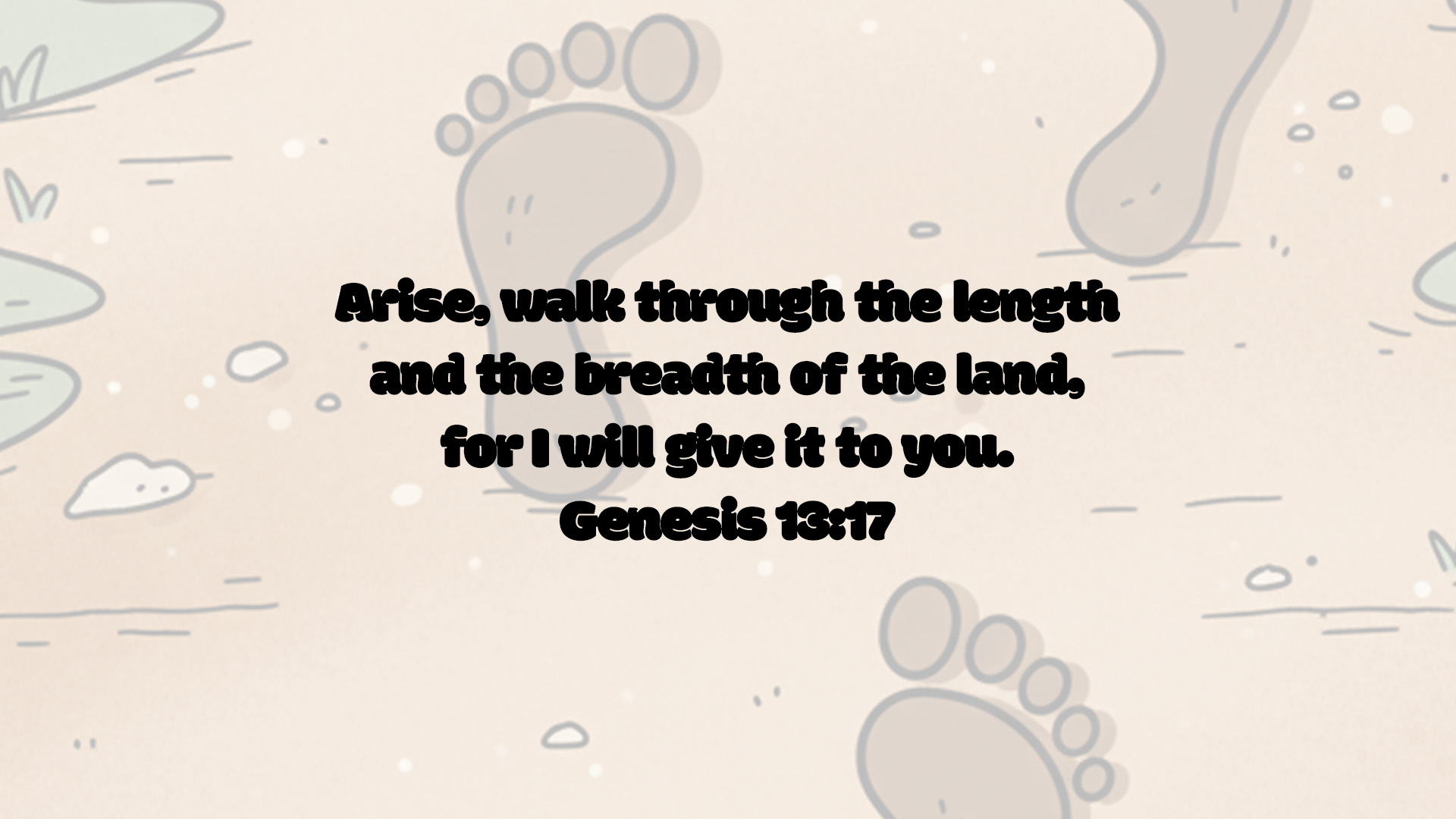
Arise, walk through the length and the breadth of the land, for I will give it to you. Genesis 13:17
The Christian is often the only book non-Christians will ever read.
- Abram returned from Egypt to the Negev and journeyed back to Bethel, between Bethel and Ai, where he had previously built an altar and called on the name of the Lord, symbolizing spiritual restoration and repentance.
- When we stray from God’s path, we must return to the place where we departed from fellowship with Him—repentance means turning around and putting our lives in a different direction.
- God is patient and rarely limits the number of times we can return to Him in genuine repentance, though we must be watchful not to drift so far that fellowship is only restored beyond the grave.
- Internal conflict within the church or family can be more damaging than external persecution, as it destroys our witness and testimony to non-believers who see Christians always fighting.
- Abram demonstrated humility and grace by allowing Lot to choose first, even though he was the elder and wealthier—true humility is self-imposed, not forced upon us.
- Division by consensus for the purpose of spreading God’s work is legitimate and can enhance witness, unlike division caused by conflict which damages testimony.
- After the separation, God confirmed His promise to Abram, showing that God often confirms our calling and ministry when we face difficulties or make sacrifices for peace.
- God’s promise that the land would belong to Abram and his descendants forever remains valid—the land still belongs to Israel.
- Abram’s rescue of Lot demonstrates that love compels us to seek and restore believers who have wandered from the narrow path, rather than writing them off.
- We are engaged in spiritual warfare requiring the armor of God and two weapons: the Word of God and prayer, used for both wayward believers and those who haven’t yet trusted Christ.
- Melchizedek represents a picture of Christ as King of Righteousness and King of Peace—with no recorded beginning or ending, serving as a priest after a different order than the Levitical priesthood.
- The Christian is often the only book non-believers will ever read—our conduct and unity directly impact our ability to share the gospel effectively.
- Making choices based on spiritual principles rather than physical attributes is essential, as Lot’s choice based on worldly considerations led him into trouble.
And Melchizedek king of Salem brought out bread and wine. (He was priest of God Most High.) Genesis 14:18
Sometimes we can lose fellowship with God. Sometimes we can get off the narrow way, but there's always an opportunity for us to come back, repent and be restored into that relationship which is dear to God and hopefully dear to all of us.
What a powerful reminder this study gives us about the character of our God and His Son Jesus! As we’ve journeyed through Genesis 13 and 14, we’ve seen how Jesus is beautifully foreshadowed in the mysterious figure of Melchizedek—the King of Righteousness and King of Peace, with no beginning and no ending, who blessed Abram and received tithes from him. This encounter points us forward to Christ, our great High Priest who serves forever after the order of Melchizedek. Just as Abram found restoration by returning to the place where he first called on the Lord, we too can always come back to Jesus, no matter how far we’ve wandered. The beauty of the gospel is that Jesus never gives up on us, never limits His grace, and always welcomes us home. So let’s keep watching and praying, maintaining that sweet fellowship with Him, and showing His love to those around us—both believers who’ve strayed and those who’ve never known His saving grace. After all, we’re His witnesses in this world, and what a privilege that is!
- Genesis 13-14:
- Genesis 12:8
- Genesis 13:14
- Genesis 13:15
- Hebrews 7
- Psalm 110:4
- Romans 7:19
Bible References
Study Details
Conflict within the series Created..
Given by G. Stoves, on 2025-12-11.
Created.

When God made human beings, he did something special—he created them in his own image, meaning people are different from all other creatures. God breathed life into Adam and gave him a perfect relationship with his Creator. This shows us that from the very beginning, God wanted to have a close relationship with people, which points forward to how Jesus would later come to restore that broken relationship between God and humanity.
Online GOI Bible Studies
GOI online bible studies are a free way of learning more about the good news of the gospel of Jesus Christ. Come and ask questions and discuss how the life of Jesus changes everything.
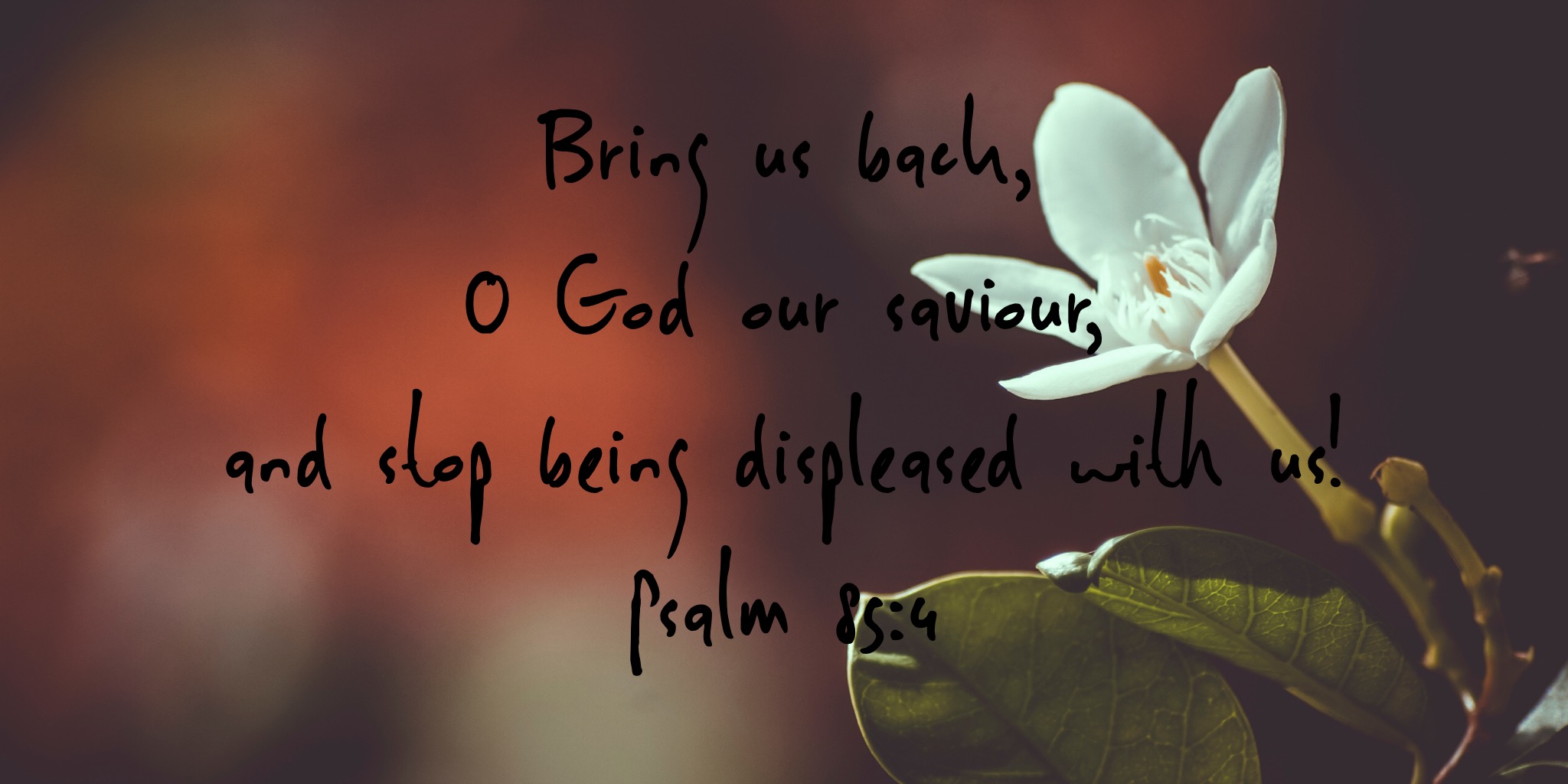
Psalm 85
There is a very special phrase which occurs in verse ten of this Psalm: loving kindness (mercy in the Authorised Version) and truth have met together. If we link this...
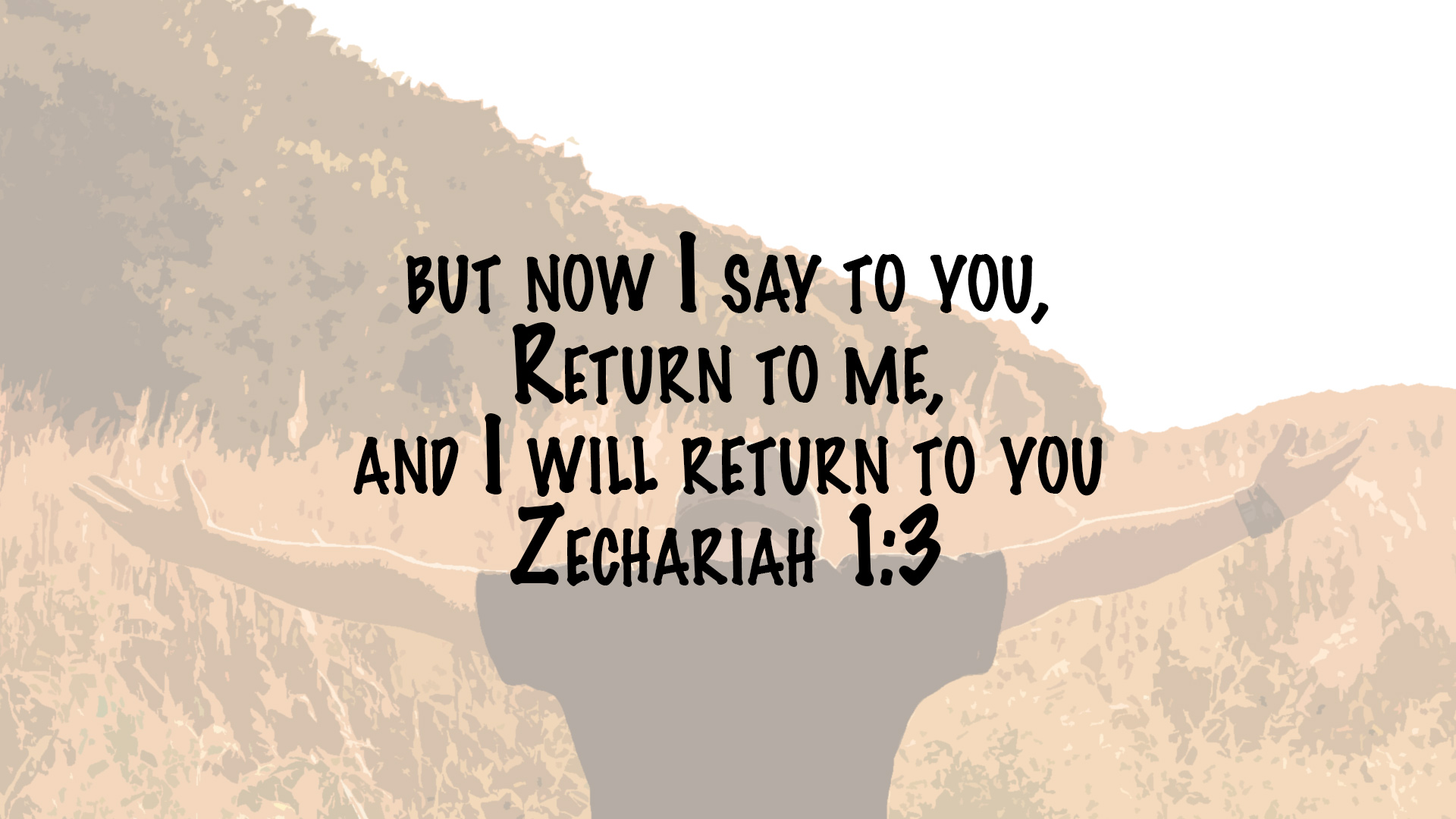
The second vision of Zechariah
Through Zechariah 1:18-21 we have recorded the vision of the four horns and the four craftsmen
In this his second vision, the prophet sees first four horns. Now throughout the...
Online GOI Bible Studies
Contact us now for details of online bible studies this week.