
Contact
Genesis 32-33:
Face to face with his past and a mysterious divine wrestler, Jacob is transformed. We look at the power of brokenness before God and the beauty of reconciliation. It is only when we are "defeated" by God's grace that we truly find the strength to face our brothers.
Prayer is the key.
Have you ever found yourself in a situation you never expected, wondering how on earth you ended up there, and whether any good could possibly come from it? Before you open Genesis 32 and 33, sit with that question for a moment. Because what we find in these two chapters is a man at the end of his rope, afraid, uncertain, and desperate, who discovers that the very place of struggle is the place where God shows up. This study is an invitation to explore what it looks like when fear, prayer and the grace of God collide, and to ask what it might mean, for you, to be truly reconciled.
Jacob went on his way, and the angels of God met him. Genesis 32:1
We don't keep it. God keeps us.
- Jacob’s fear of meeting Esau again reflects the fears many of us carry, whether of failure, rejection, or the unknown. Fear is real, but it need not have the final word.
- God’s plans often take us through unexpected or uncomfortable places, but looking back we can see his hand guiding every step.
- Jacob prays in the middle of his planning, a reminder that prayer should shape our plans rather than simply be added as an afterthought.
- Prayer is described as the powerhouse of the church. Where churches have prioritised deep, consistent prayer, they have tended to thrive. Where prayer has been reduced or replaced, the life of the church has followed.
- When we pray, we are encouraged to be natural and honest with God, not theological or performative. He already knows our hearts.
- Jacob wrestles with a man who is no ordinary man, pointing to a recurring biblical pattern of God intervening directly and personally in the lives of his people.
- The meeting between Jacob and Esau ends not in conflict but in reconciliation, a picture of what God has done for us through Christ.
- The broken relationship between humanity and God, which began in the Garden of Eden, is restored through the death of Christ. This is what reconciliation means.
- Through Christ, we are not merely forgiven but lifted into a relationship so close that Scripture describes us as co-workers with God.
- The call to reconciliation extends beyond our relationship with God to our relationships with one another. Unresolved conflict between believers is a contradiction of the gospel.
- Denominations differ, but genuine fellowship between truly born-again believers should not be hindered by those differences.
So Jacob called the name of the place Peniel, saying, “For I have seen God face to face, and yet my life has been delivered.” Genesis 32:30
Prayer is the key.
Everything in these two chapters, the fear, the wrestling, the tearful reunion of two brothers, points to something bigger than Jacob and Esau. It points to us, and to what God has done to bring us home. The broken relationship that has marked human life since the beginning has been dealt with, fully and finally, in Jesus. He took what separated us and carried it to the cross so that we could be welcomed back, not as strangers or servants, but as sons and daughters. That is the heart of this study. Not just a story of two brothers burying the axe, but the story of a God who refused to leave us estranged, and who went to the furthest possible lengths to make us his own.
- Genesis 32-33:
- Deuteronomy 33:27
- Proverbs 16:9
- Proverbs 16:33
- Hebrews 11
- John 17
- 1 Peter 2:24
- Matthew 5:14
- John 8:12
- Ephesians 2:6
- 1 Corinthians 3:9
- Joshua 5:13-15
- Genesis 2-3
- Genesis 32-33
Bible References
Study Details
Contact within the series Created..
Given by G. Stoves, on 2026-05-28.
Created.
When God made human beings, he did something special—he created them in his own image, meaning people are different from all other creatures. God breathed life into Adam and gave him a perfect relationship with his Creator. This shows us that from the very beginning, God wanted to have a close relationship with people, which points forward to how Jesus would later come to restore that broken relationship between God and humanity.
Online GOI Bible Studies
GOI online bible studies are a free way of learning more about the good news of the gospel of Jesus Christ. Come and ask questions and discuss how the life of Jesus changes everything.
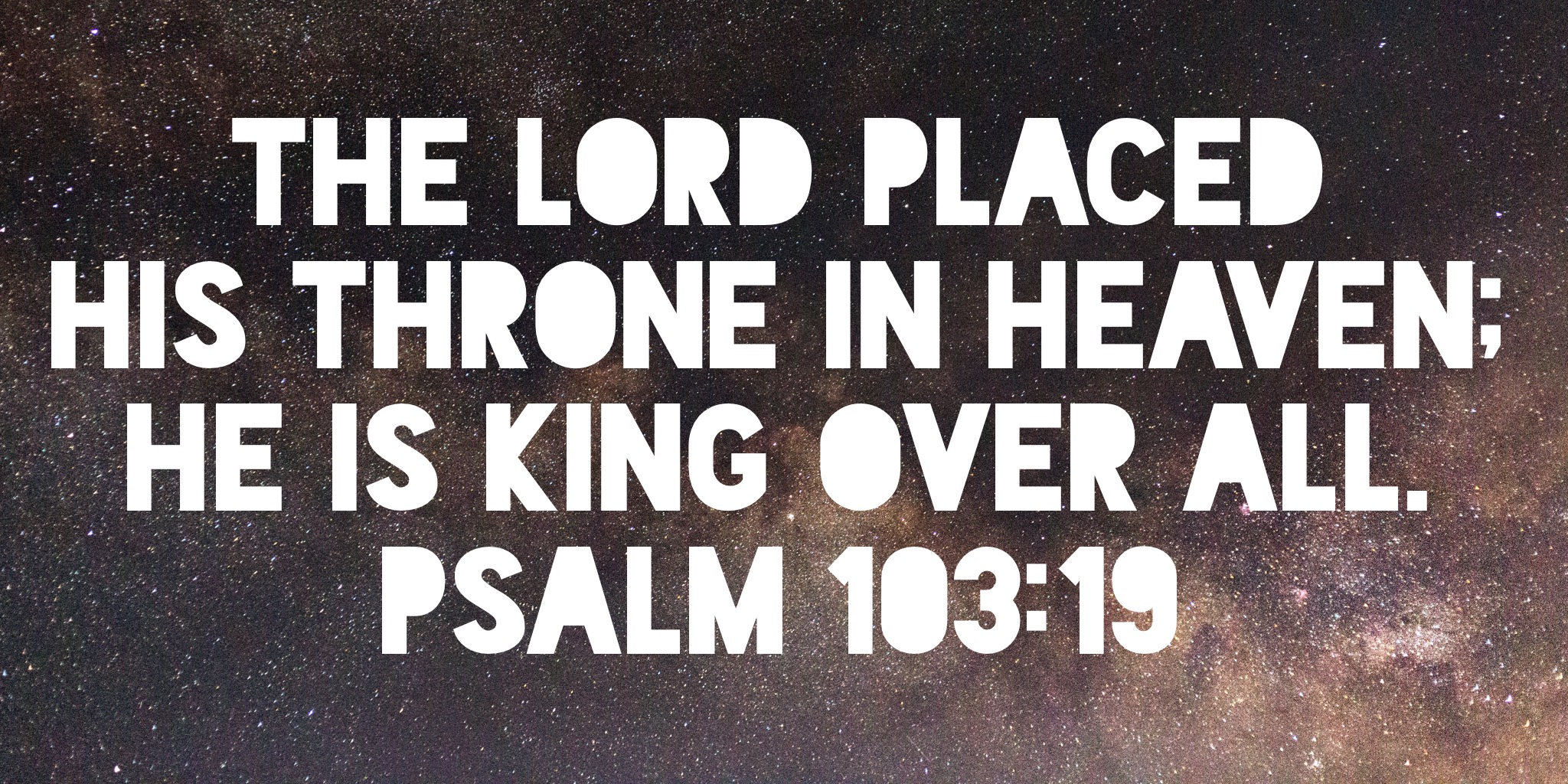
Psalm 103
In the previous psalm the writer expressed his faith in the unchangeable God whereas this psalm tells us that the unchangeable God is compassionate, gracious, slow to anger and abounding...
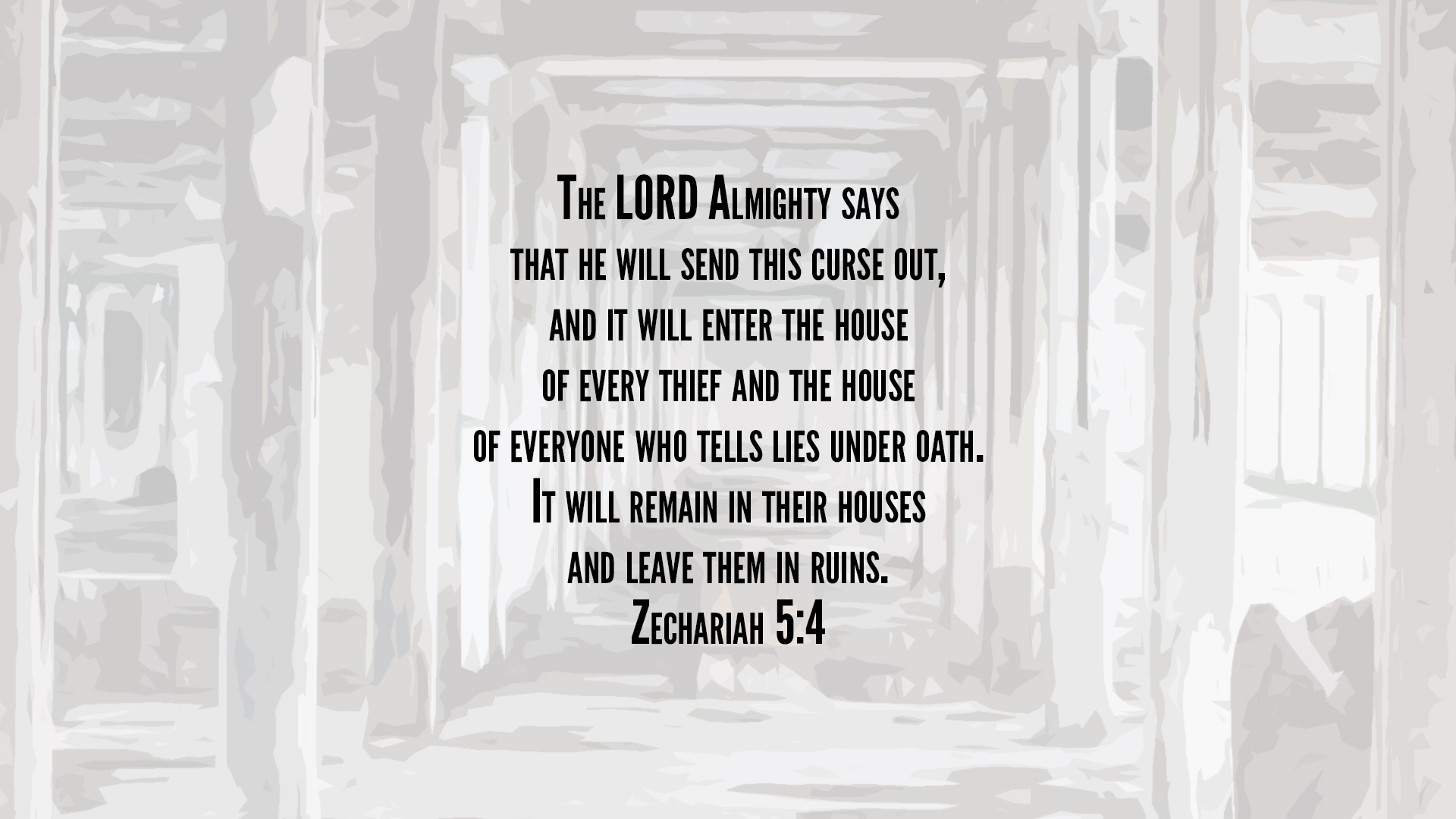
The seventh vision of Zechariah
Through Zechariah 5:5-11 we have recorded the vision of the woman in the ephah.
This is the second of two visions which deals with the overthrow of evil by God...
Online GOI Bible Studies
Contact us now for details of online bible studies this week.